Category: Collections
-
ACH Credit vs ACH Debit: Key Differences Explained

When it comes to managing payments, understanding ACH Credit vs ACH Debit isn’t just accounting jargon—it directly impacts how fast you get paid and how much control you have over your cash flow. If you’ve ever wondered why some payments feel predictable while others don’t, this is where the difference…
-
Termination Emails: How to Write Them Professionally
Writing termination emails is never easy. Whether it’s due to performance issues, restructuring, or non-payment in a business context, the tone and structure of your message matter more than you think. A poorly written email can damage relationships, create legal risk, or harm your brand. A well-written one? It keeps…
-
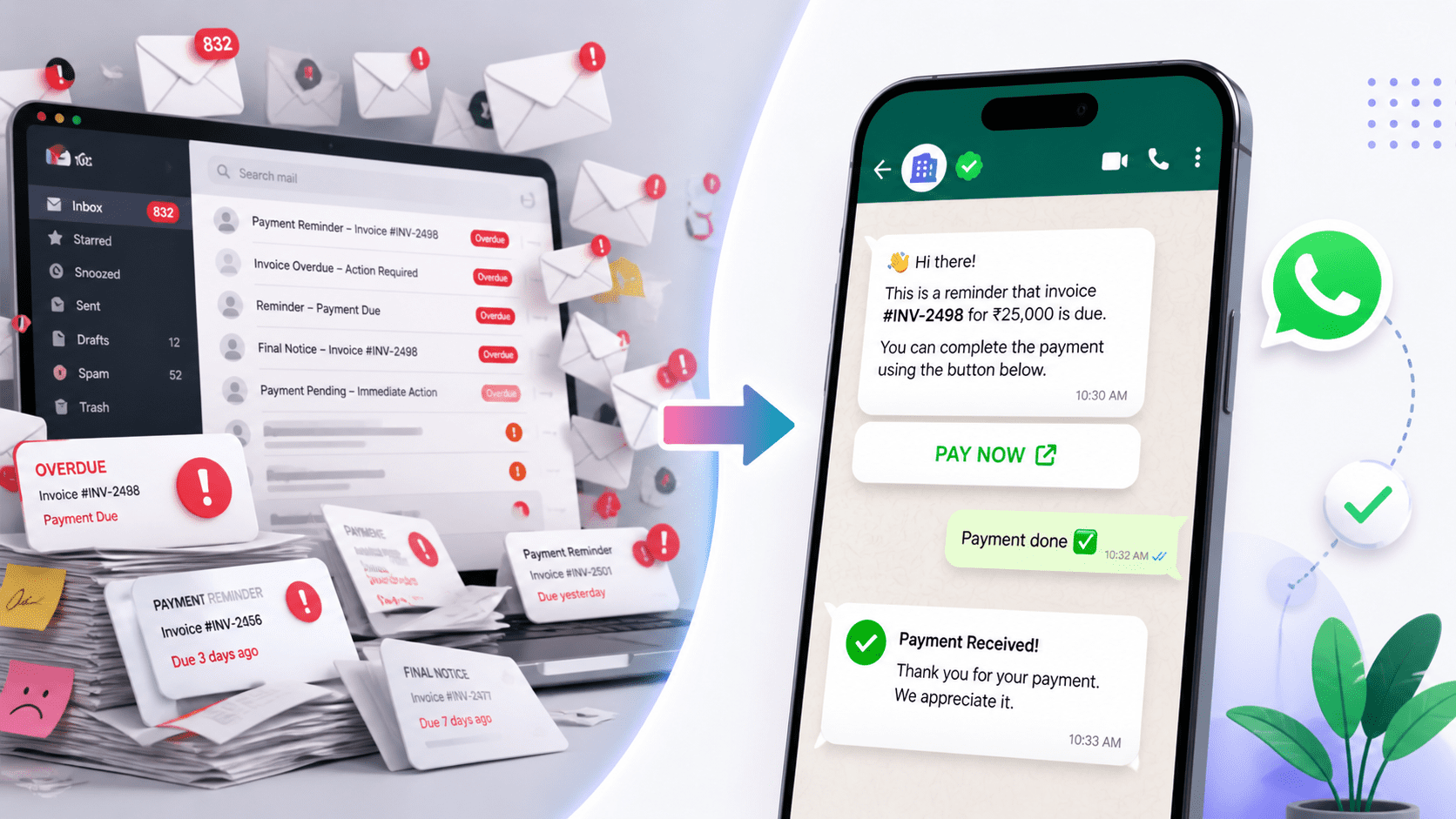
Why WhatsApp Payment Reminders Work Better Than Emails
Let’s be honest—emails get ignored. Inboxes are crowded, and payment reminders often get buried under promotions and internal threads. But WhatsApp? That’s where attention lives. WhatsApp payment reminders cut through the noise because: Instead of chasing payments, you’re simply showing up where your customers already are. Table of Contents The…
-
Effective SMS Payment Reminders That Get You Paid Faster
Late payments don’t usually happen because customers don’t want to pay — they happen because people forget. That’s exactly where effective SMS payment reminders make a difference. In a world where emails get buried and calls go unanswered, SMS stands out. It’s direct, immediate, and almost always read. But here’s…
-
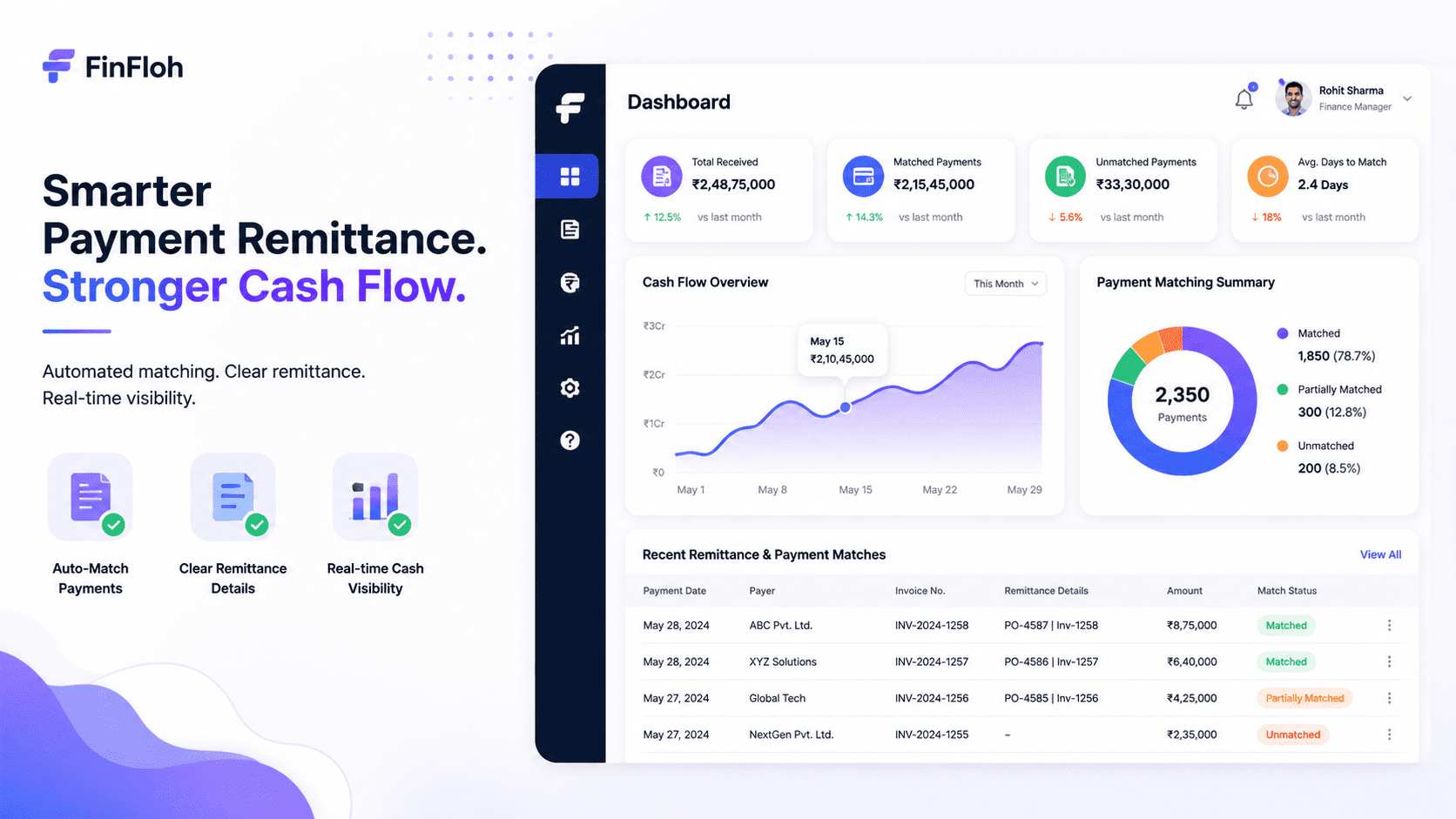
What Is Payment Remittance? Simple Guide
If you’ve ever received a payment but had no clue which invoice it belongs to—you’ve already felt the pain of payment remittance. Payment remittance is more than just sending money. It’s the information that tells you what the payment is for. Without it, your finance team ends up guessing, chasing…
-
Accounts Receivable Insurance: Protect Your Cash Flow
Accounts receivable insurance isn’t just a safety net—it’s becoming a necessity for businesses that rely on steady cash flow. When customers delay payments or default entirely, your revenue takes a direct hit. And here’s the thing: even profitable companies can struggle if receivables don’t convert into cash on time. That’s…
-
What does Net 30 mean? Explained
If you’ve come across invoice terms and paused at Net 30, you’re not alone. What does Net 30 mean is a question many founders and finance teams ask when managing receivables. Understanding it isn’t just about definitions—it’s about how money flows into your business. Table of Contents What Does Net…
-
IND AS 115 Explained: Why Your Revenue Isn’t What You Think
IND AS 115 has changed the way businesses recognize revenue—but most teams don’t realize how deeply it impacts cash flow. “Revenue is growing. So why does cash still feel tight?” If you’ve ever had this thought sitting in a finance review, you’re not alone. This gap between reported revenue and…
-
AI in Collections: The Future of Intelligent Accounts Receivable
Collections used to be simple: send reminders, make calls, follow up until payment arrives. Today, that approach no longer works. Customers expect personalized communication. CFOs expect predictable cash flow. Finance teams are stretched thin. This is where AI in collections changes the game. Table of Contents What Is AI in…
-
Top 12 Accounts Receivable Automation Providers in 2026
Explore the leading accounts receivable automation platforms helping finance teams reduce DSO, automate collections, improve cash application, optimize credit risk, and gain real-time cash flow visibility. Updated: February 2026 Why Accounts Receivable Automation Matters in 2026? Accounts receivable is no longer just about reminders. Modern finance teams require: Manual AR…