Category: Collections
-
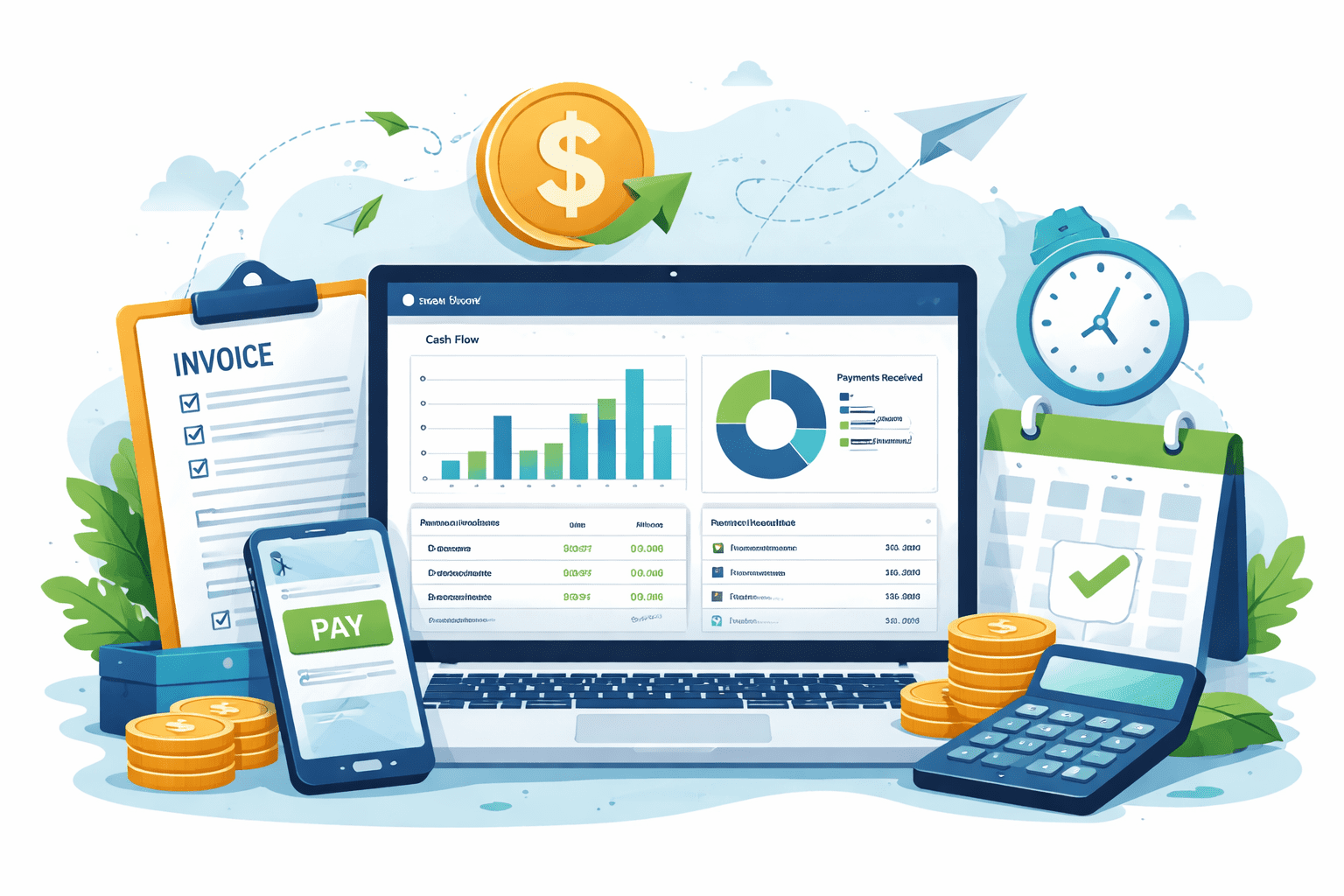
On-Time Customer-Initiated Payments: How They Accelerate Cash Flow

Encouraging on-time customer-initiated payments is one of the most effective ways to accelerate cash flow and keep your business running smoothly. When customers pay their invoices promptly without reminders, your cash inflows become more predictable, reducing the time and cost spent on collections while improving overall customer satisfaction. Table of…
-
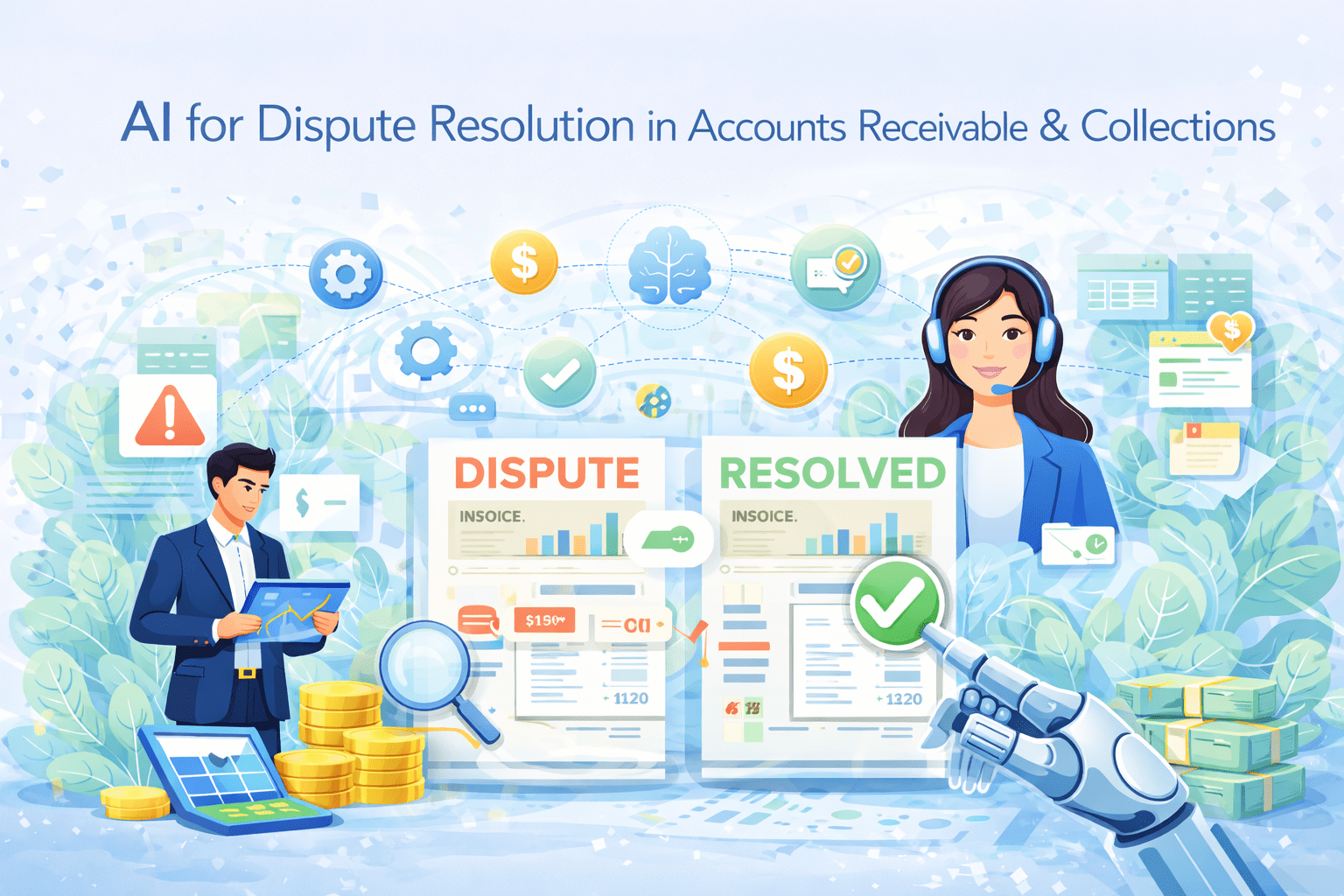
How AI Is Transforming Dispute Management in Accounts Receivable
Disputes are one of the biggest hidden blockers in Accounts Receivable. Even when customers are willing to pay, unresolved disputes around pricing, quantities, contracts, or documentation can keep invoices open for weeks or months. For finance teams, this results in delayed cash flow, inflated aging, and unnecessary follow-ups. Artificial Intelligence…
-
Build Finance AI Agents in 4 Easy Steps | FinFloh
Manual finance work eats up time and slows down decision-making. But what if you could build Finance AI Agents that handle tasks like invoice tracking, reporting, and cash forecasting — without needing IT support? That’s exactly what’s happening inside forward-thinking finance teams today.In this post, we’ll show you how to…
-
Accounts Receivable Days Outstanding (DSO): A Complete Guide for Finance Teams
Cash flow is the lifeblood of any business, and few metrics reflect its health as clearly as Accounts Receivable Days Outstanding, commonly known as DSO. This metric shows how efficiently a company converts credit sales into actual cash and how effective its collections process truly is. When DSO stays under…
-
AR Teams: The Key to AR Success
Every business runs on cash flow — and behind that cash flow are AR teams making sure the money actually comes in. These teams keep invoices accurate, payments on time, and finances in sync. They’re the ones sending invoices, following up on payments, solving disputes, and keeping the books clean.…
-
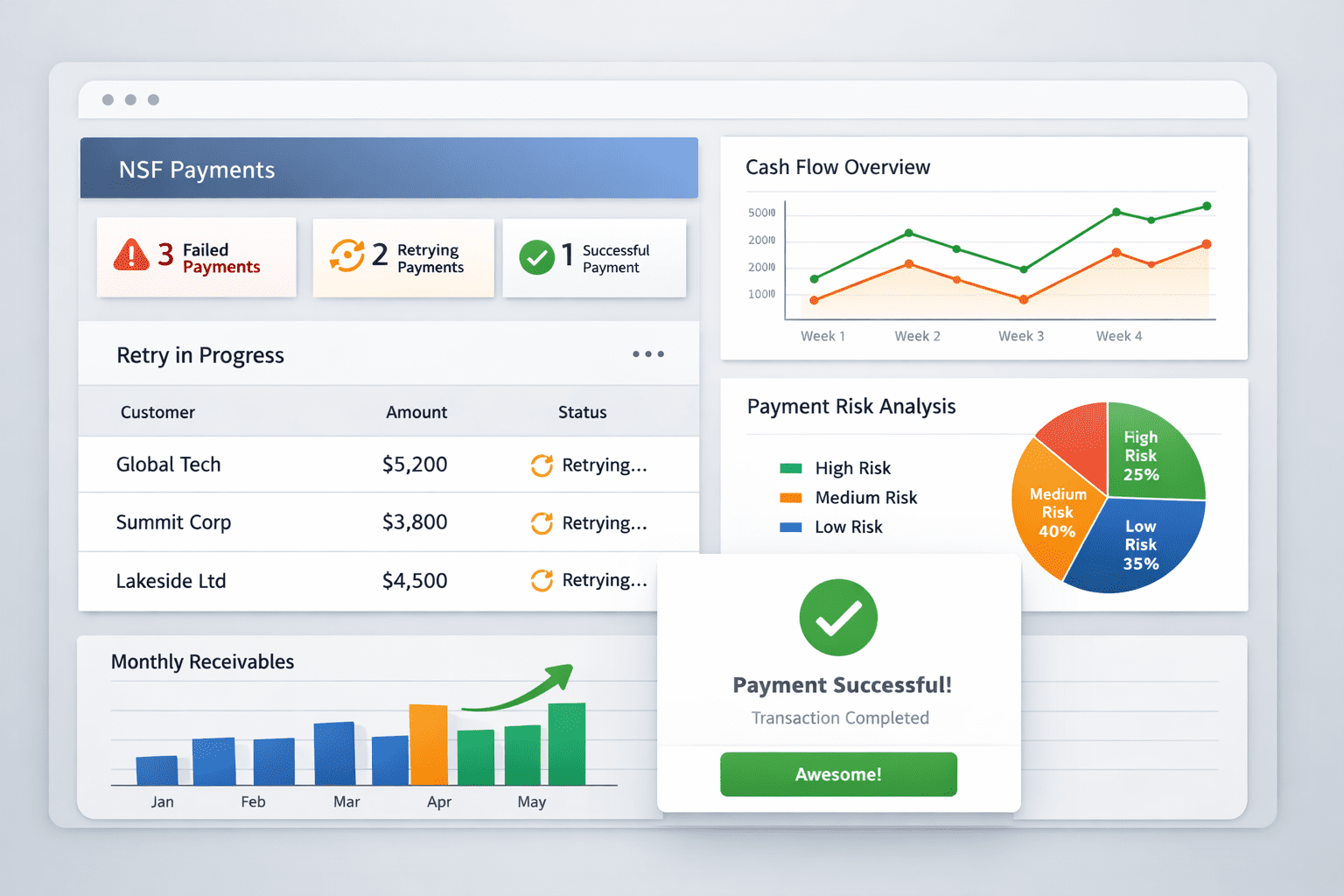
Not Sufficient Funds: Causes & Fixes
“Not Sufficient Funds” (NSF) — three words that instantly disrupt your payment cycle. When a customer’s payment fails due to insufficient funds, it doesn’t just bounce a transaction; it slows down your cash flow, adds operational load, and dents your customer relationship. For B2B sellers, NSF transactions aren’t rare —…
-
Cash on Delivery Reconciliation Made Easy with FinFloh
Cash on Delivery (COD) continues to be one of the most influential payment methods—especially in markets where buyer trust, credit access, and digital payment adoption vary widely. However, cash on delivery reconciliation remains one of the biggest challenges for sellers. While offering COD can boost sales and customer acquisition, it…
-
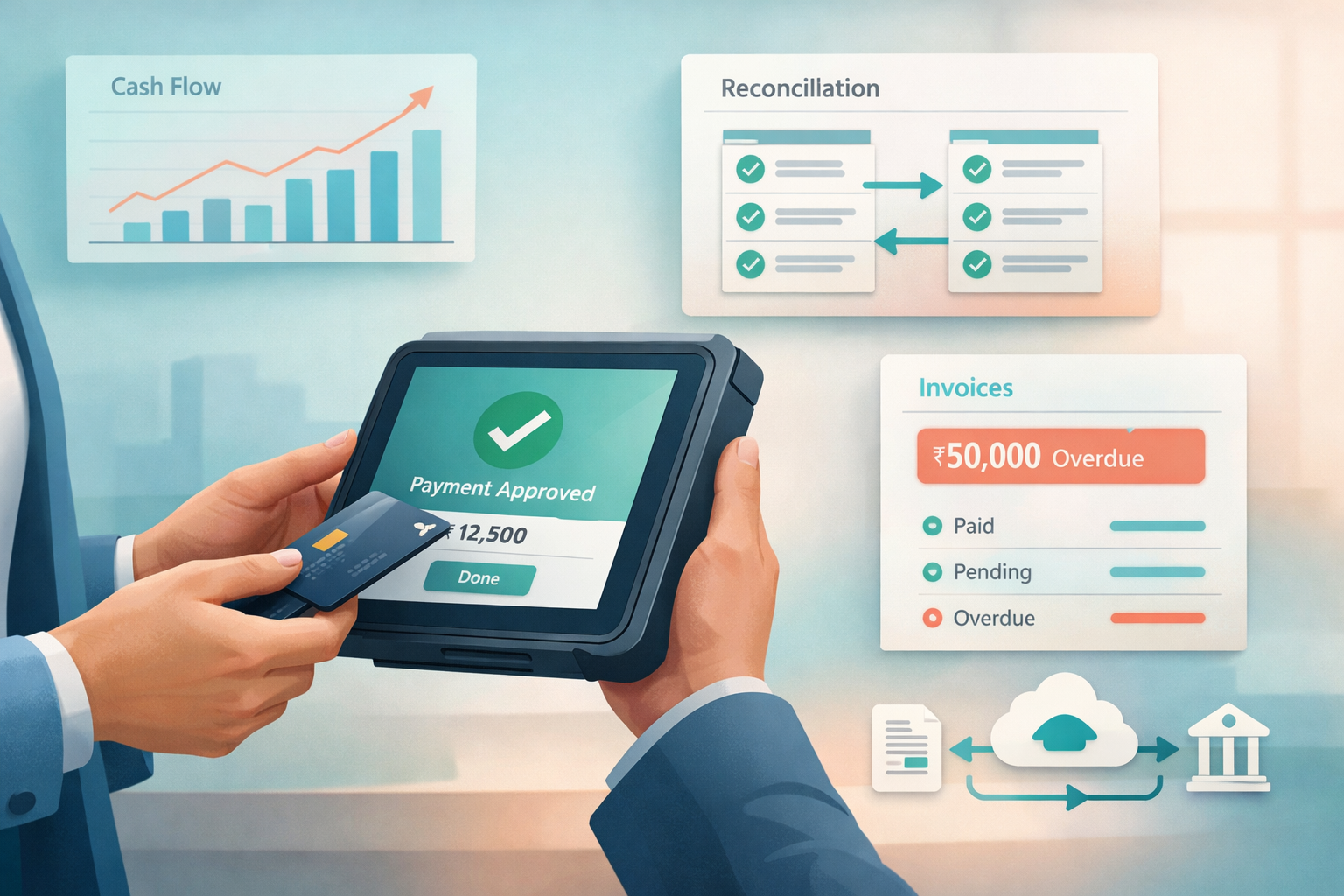
POS Transactions for B2B Sellers
B2B payments have evolved significantly over the years. Gone are the days of the slow “invoice–wait–collect” rhythm that no longer fits the fast pace of modern business. Consequently, POS Transactions for B2B Sellers are becoming a preferred choice — helping sellers close payments instantly while providing real-time visibility into their…
-
eChecks vs ACH Payments: Smarter Receivables Automation
When it comes to faster payments and smoother collections, the debate often comes down to eChecks vs ACH payments — two digital methods powering modern finance teams. Both move money electronically and cut out paper checks, but the way they work — and the impact they have on cash flow…
-
What Are Dunning Letters? Meaning, Types & Best Practices
Late payments are a reality for most businesses. In many cases, customers don’t delay payments intentionally — invoices get missed, approvals take time, or priorities shift. This is where dunning letters play a critical role in the accounts receivable process. When done right, dunning letters help you get paid faster…