Category: AI
-
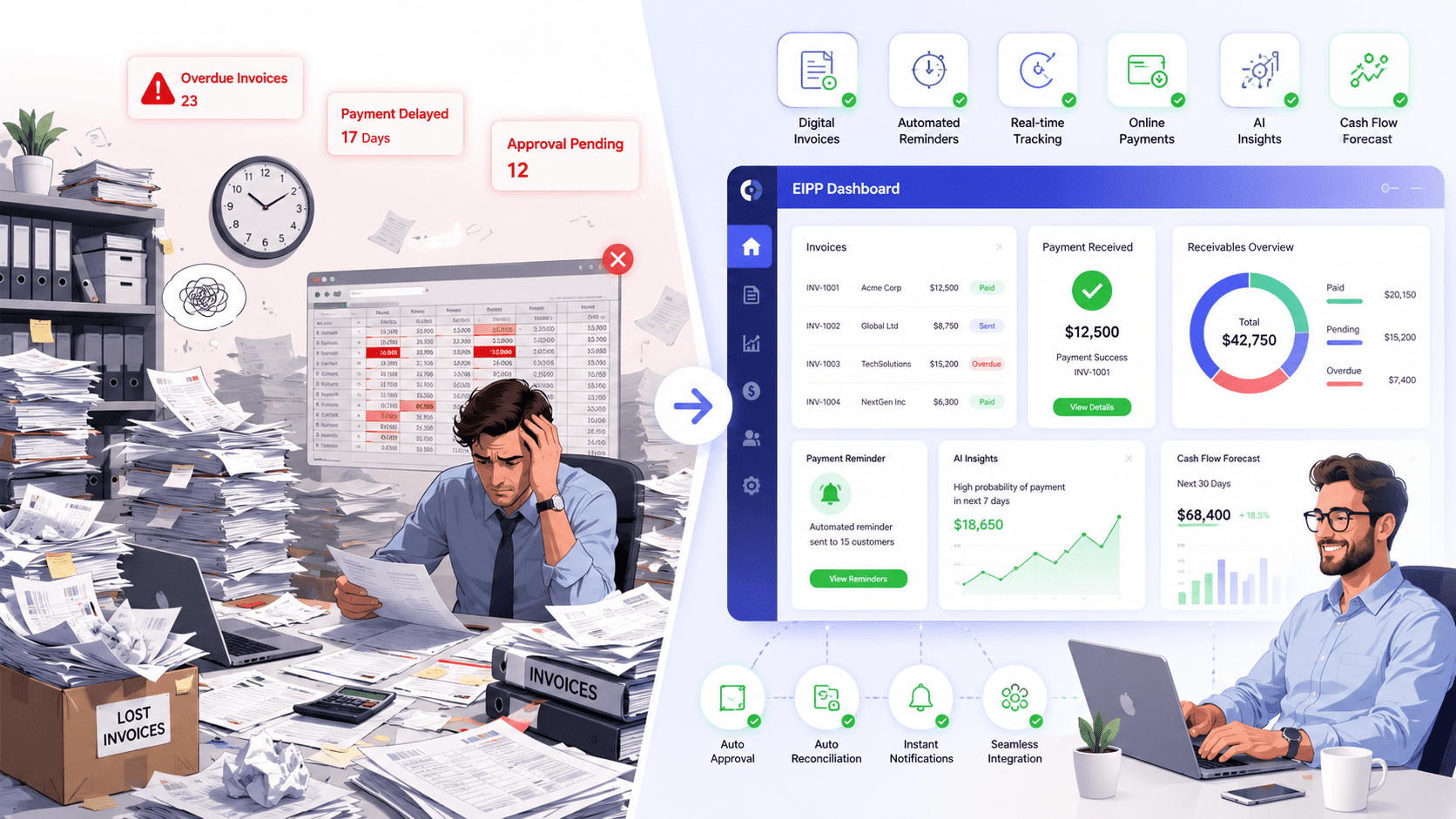
How EIPP Invoices Work: The Smarter Way to Automate B2B Billing

Managing invoices manually can slow down payments, increase errors, and create unnecessary pressure on finance teams. That’s why many businesses are now shifting toward EIPP invoices to simplify billing and improve accounts receivable efficiency. Electronic Invoice Presentment and Payment (EIPP) helps businesses digitally send invoices, track payments in real time,…
-
AI Blocked Order Management: Fix Delays & Boost Cash Flow
AI blocked order management is becoming critical for finance teams — because everything looks fine… until orders start getting blocked. Sales teams close deals and demand stays strong. However, something often breaks between order placement and fulfillment. As a result, revenue gets delayed, cash flow tightens, and customer experience suffers.…
-
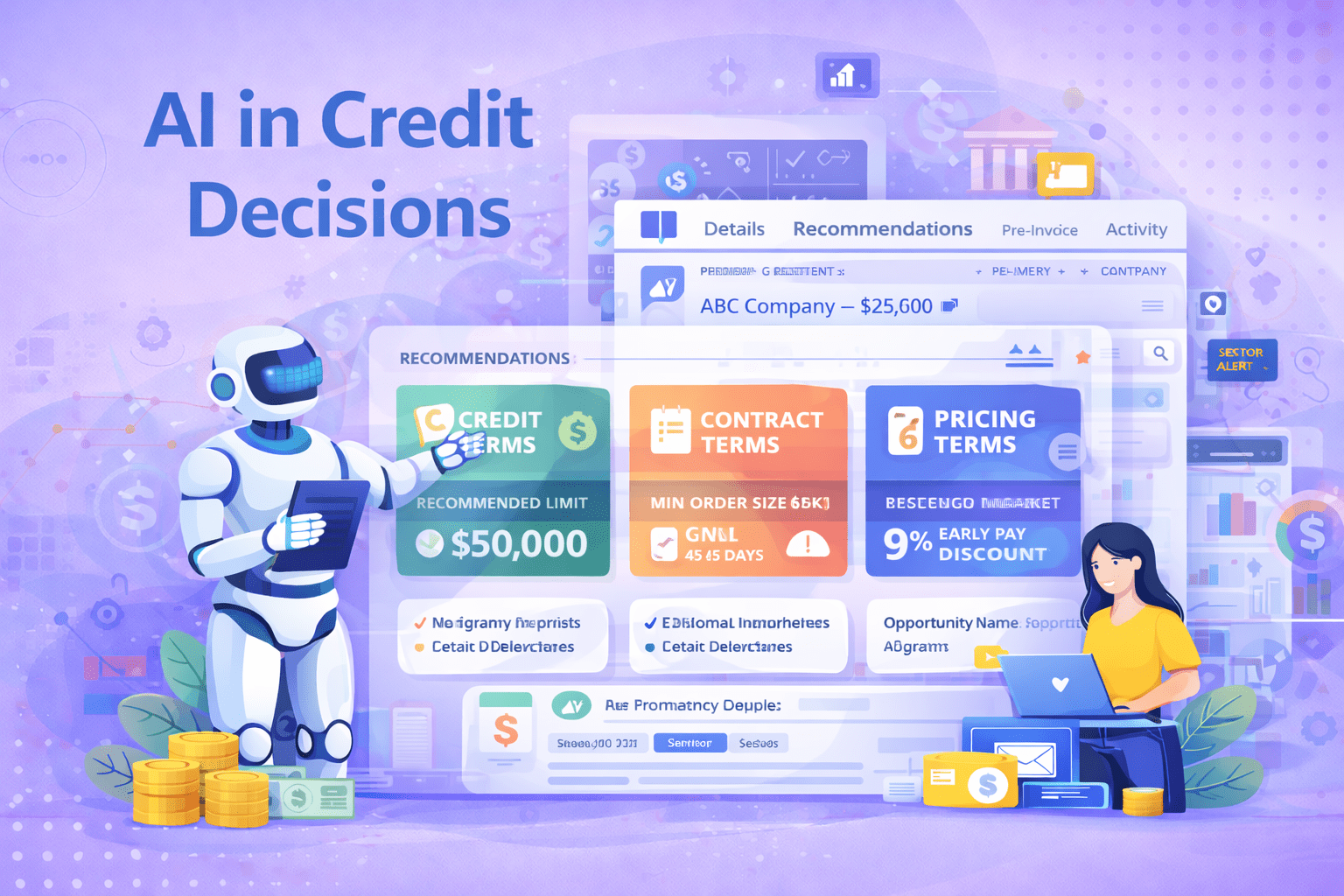
AI in Credit Decisions
Credit scoring evaluates risk. Credit decisions act on it. While scoring measures probability, decisioning determines: AI in credit decisions transforms these decisions from manual approvals into intelligent, policy-driven actions embedded directly into CRM workflows. Table of Contents What Is AI in Credit Decisioning? AI in credit decisioning uses predictive risk…
-
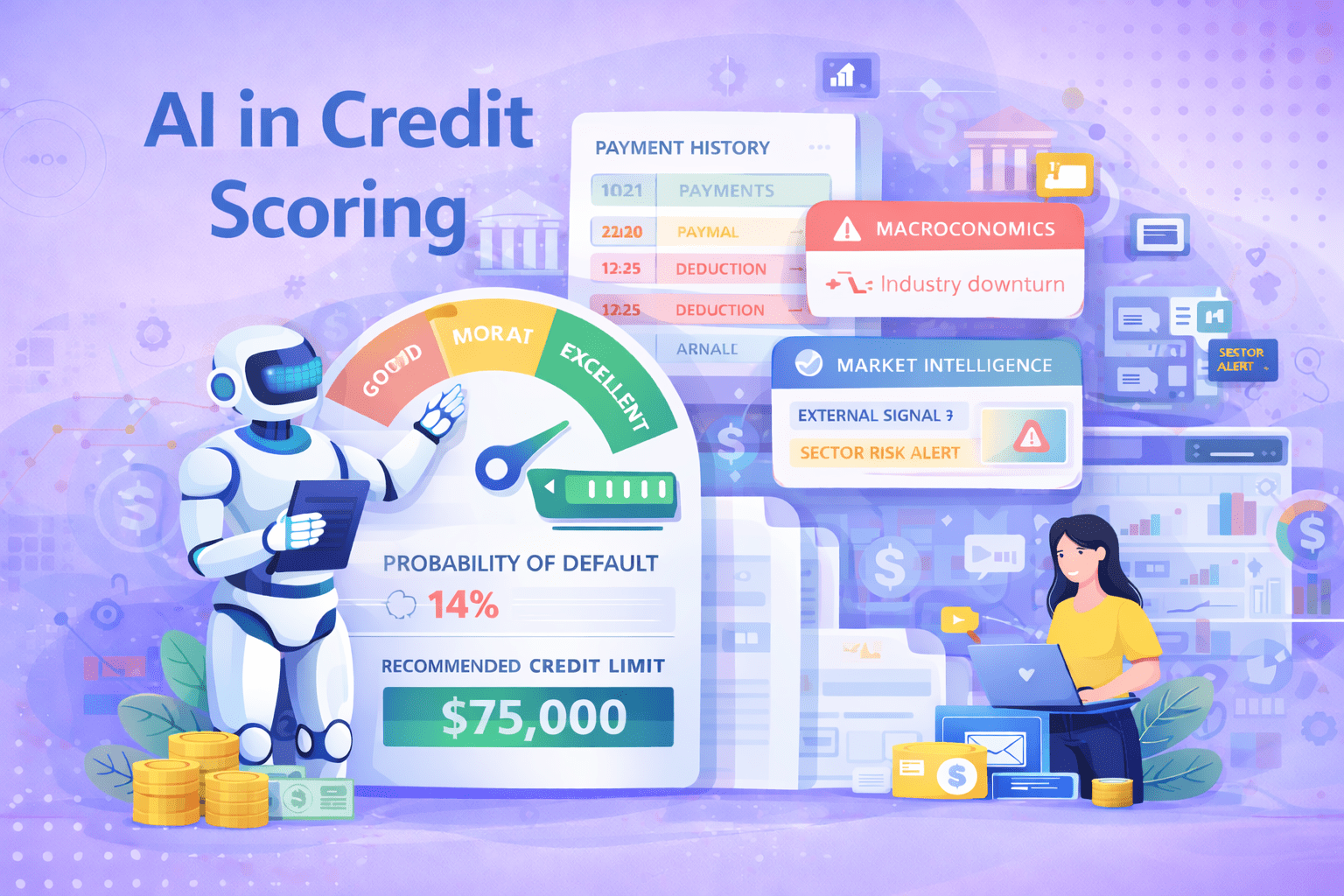
AI in Credit Scoring: Transforming Risk Assessment with Machine Learning
Credit scoring has traditionally relied on static financial statements, bureau reports, and manual judgment. But in today’s volatile environment, internal data alone is not enough. AI in credit scoring — powered by Machine Learning (ML) and enriched with Market Intelligence — enables finance teams to move from backward-looking evaluation to…
-
AI in Cash Application
Cash application is one of the most operationally intense parts of Accounts Receivable. Every day, finance teams must: When done manually, it’s slow, error-prone, and heavily dependent on individual experience. AI in cash application changes that completely. Table of Contents What Is AI in Cash Application? AI in cash application…
-
AI in Invoice Automation
Invoice automation used to mean generating invoices from an ERP and emailing PDFs in bulk. Today, that’s not enough. As transaction volumes grow and customer expectations rise, finance teams need intelligence — not just automation. This is where AI in invoice automation changes the landscape. AI doesn’t just generate invoices…
-
AI in Collections: The Future of Intelligent Accounts Receivable
Collections used to be simple: send reminders, make calls, follow up until payment arrives. Today, that approach no longer works. Customers expect personalized communication. CFOs expect predictable cash flow. Finance teams are stretched thin. This is where AI in collections changes the game. Table of Contents What Is AI in…
-
Top 12 Accounts Receivable Automation Providers in 2026
Explore the leading accounts receivable automation platforms helping finance teams reduce DSO, automate collections, improve cash application, optimize credit risk, and gain real-time cash flow visibility. Updated: February 2026 Why Accounts Receivable Automation Matters in 2026? Accounts receivable is no longer just about reminders. Modern finance teams require: Manual AR…
-
TDS Impact on Accounts Receivable Explained
Managing receivables is the heartbeat of every finance operation, but few teams fully grasp the TDS impact on accounts receivable. Even a small TDS deduction can create ripple effects across your invoicing, reconciliation, and cash flow processes. While it’s an essential tax compliance mechanism, TDS often complicates the way businesses…
-
Revenue Automation Explained: Simplifying Finance Workflows
Why Revenue Automation Matters for Modern Finance Teams Finance teams today handle more complexity than ever — recurring revenue, multiple billing models, compliance requirements, and the constant push to close books faster. That’s where revenue automation comes in — a smarter, more streamlined way to manage and recognize revenue accurately,…