Category: Invoice to Cash
-
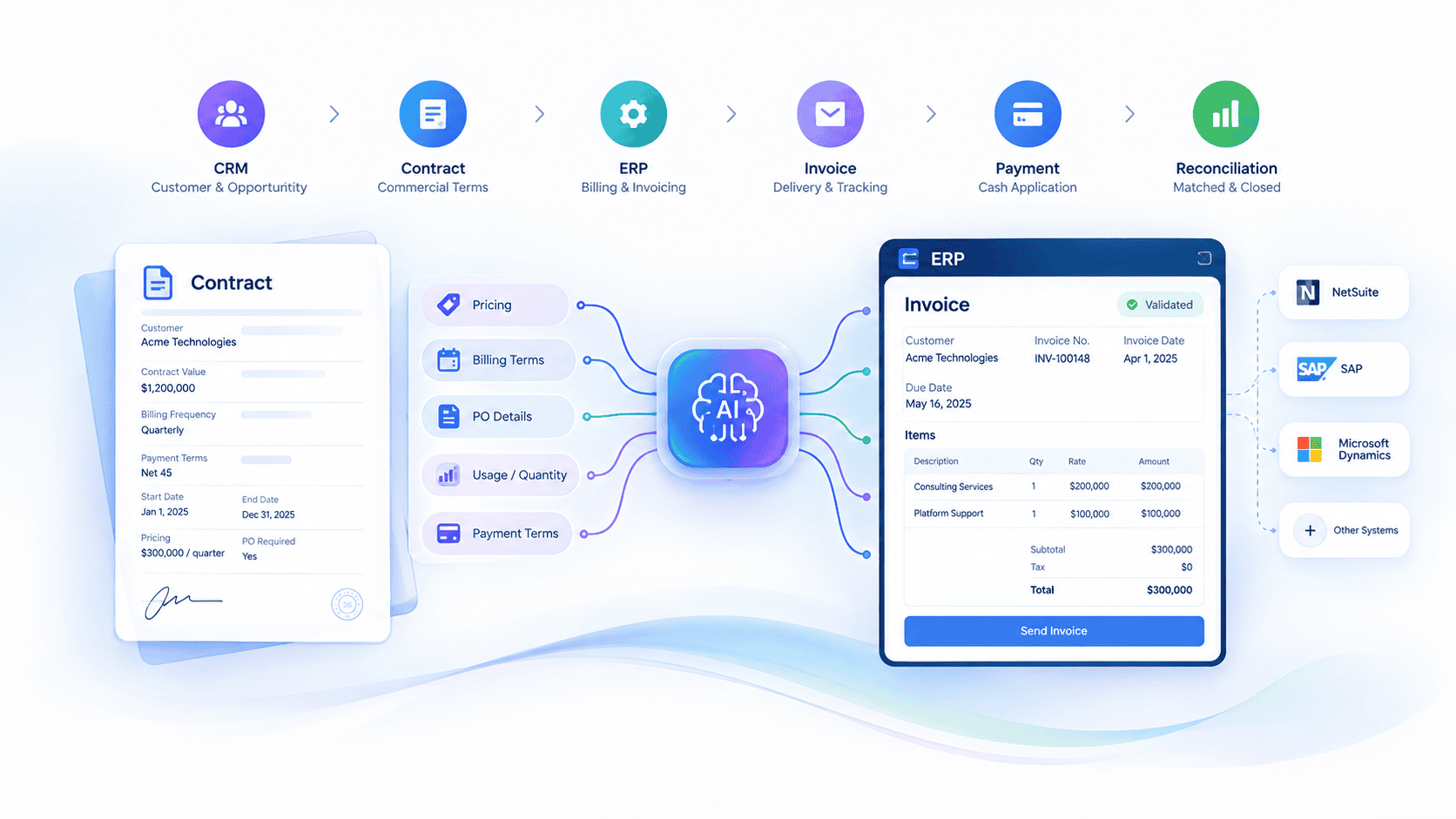
5 Contract Terms That Break Billing

A contract can look perfectly clear to the sales and legal teams and still create problems for finance. In a contract-to-cash process, small details buried in commercial agreements can determine how much you bill, when you bill it, and whether the customer pays on time. The problem is rarely the…
-
Your ERP Knows the Invoice. Does It Know the Contract?
Your ERP knows almost everything about an invoice. But effective ERP contract management goes a step further by connecting invoice data with the commercial terms that created it. It knows when an invoice was created, who it was sent to, how much is due, when it is overdue, and whether…
-
How Payment Behavior Predicts Default Before It Happens
Most businesses recognize customer default risk only after invoices become severely overdue, collections efforts fail, or legal escalation begins. By that point, the financial impact is already visible in cash flow, bad debt exposure, and working capital pressure. But customer defaults rarely happen suddenly. In most cases, customers exhibit warning…
-
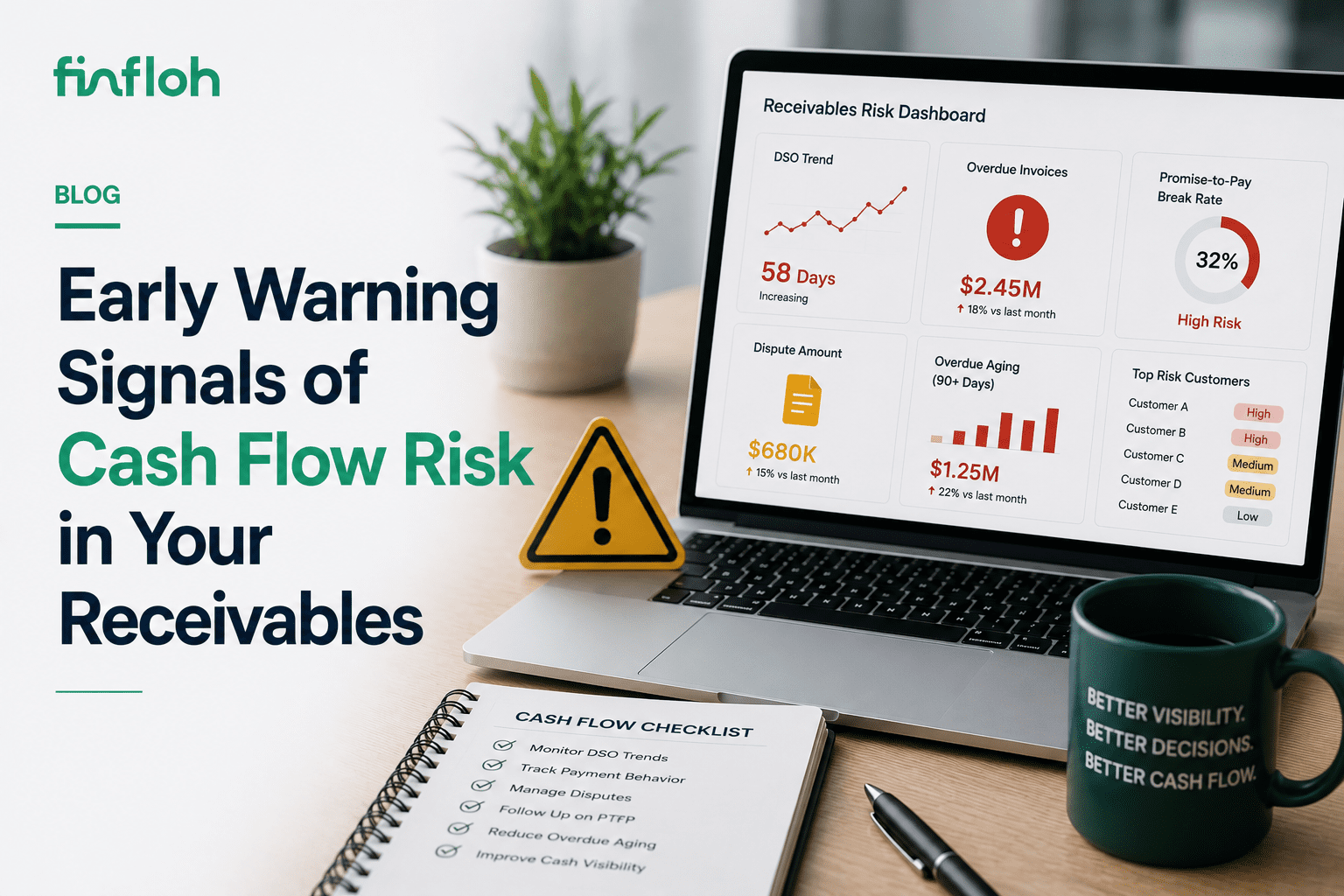
Early Warning Signals of Cash Flow Risk in Your Receivables
For most businesses, accounts receivable represents one of the largest sources of expected cash inflow. Yet many finance teams only recognize cash flow problems after payments are already delayed, disputes have escalated, or liquidity pressure begins affecting operations. The reality is that receivables often show warning signs long before serious…
-
Treasury’s Blind Spot: Customer Credit Risk
Treasury teams are responsible for managing liquidity, forecasting cash flows, optimizing working capital, and protecting financial stability. Yet many treasury functions still overlook one of the biggest variables affecting cash predictability: customer credit risk. Most treasury models focus heavily on: But customer payment behavior, deteriorating credit quality, and receivables risk…
-
Promise-to-Pay Data: The Most Underutilized Treasury Signal
Treasury teams rely heavily on forecasts, liquidity models, historical payment trends, and banking data to predict cash flow. Yet one of the most valuable indicators of short-term cash movement is often overlooked entirely: Promise-to-Pay (PTP) data. Every day, customers communicate expected payment dates to collections teams through emails, calls, portals,…
-
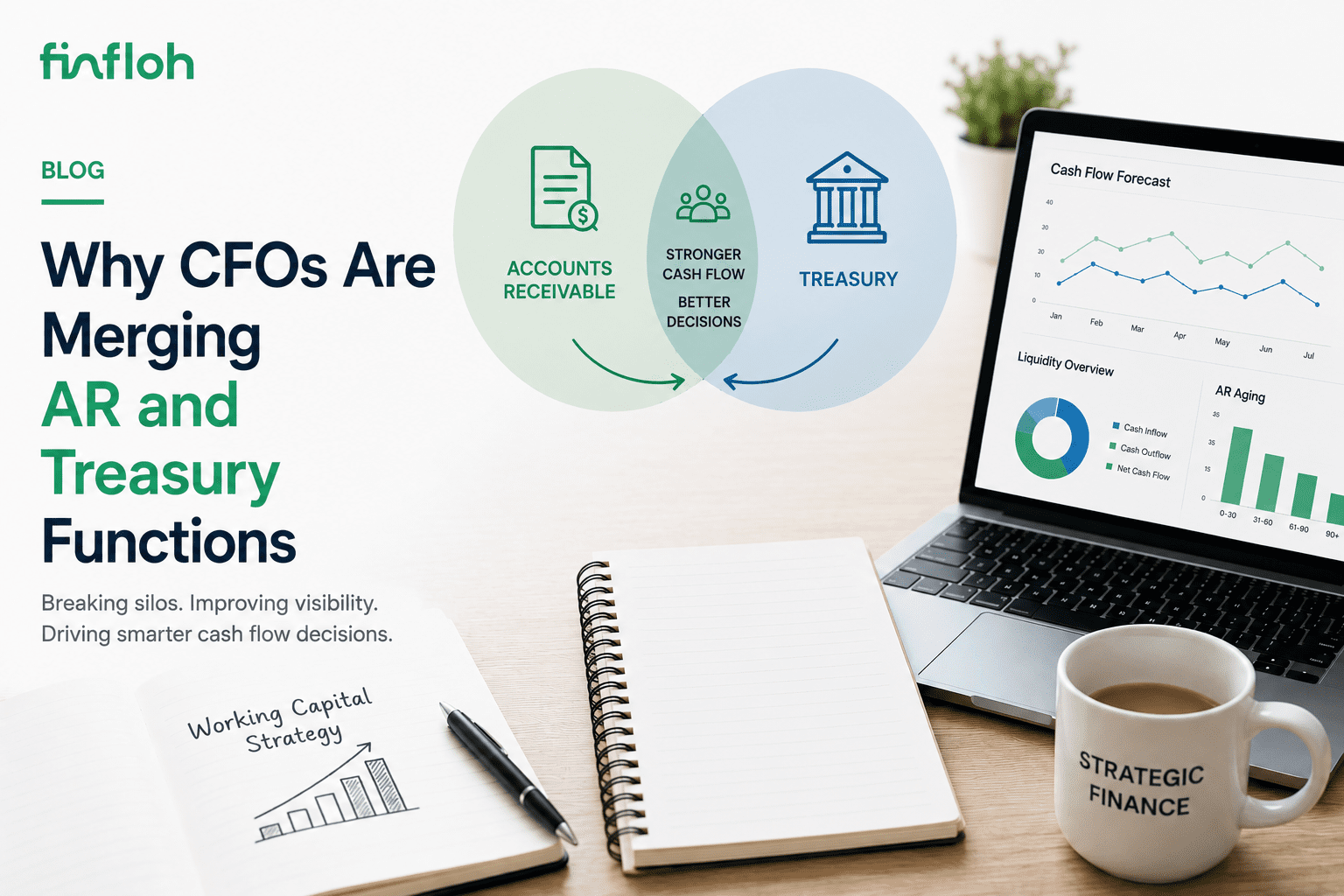
Why CFOs Are Merging AR and Treasury Functions
Finance organizations are undergoing a major structural shift. Traditionally, accounts receivable (AR) and treasury teams operated independently with different goals, systems, and workflows. AR focused on invoicing and collections, while treasury managed liquidity, banking, forecasting, and cash positioning. But as businesses face increasing pressure to improve cash flow visibility, optimize…
-
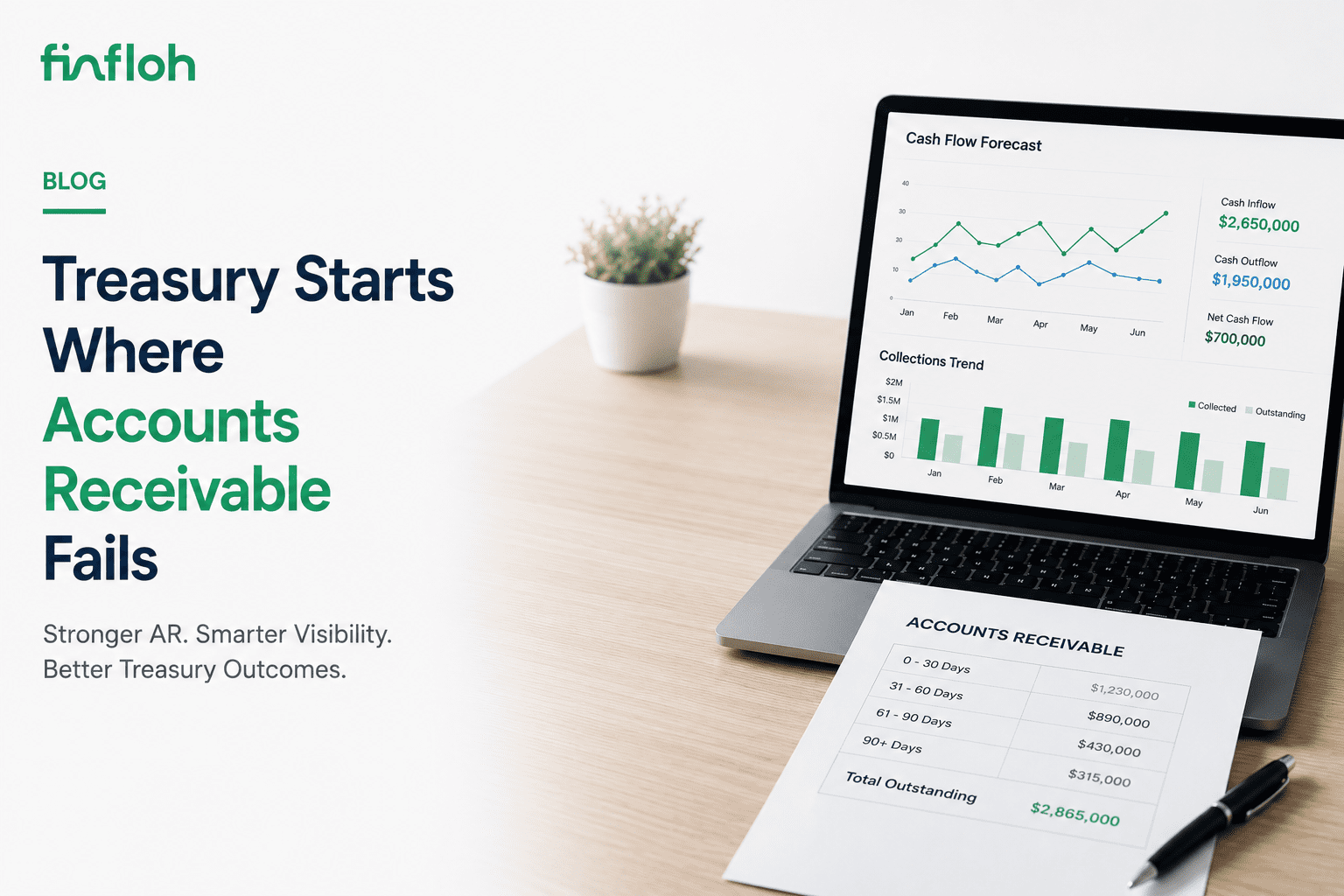
Treasury Starts Where Accounts Receivable Fails
For many organizations, treasury and accounts receivable (AR) operate as separate finance functions with different priorities. Treasury focuses on liquidity, cash positioning, funding, and financial risk management, while AR teams manage invoicing, collections, disputes, and cash application. But in reality, treasury outcomes are heavily shaped by the effectiveness of accounts…
-
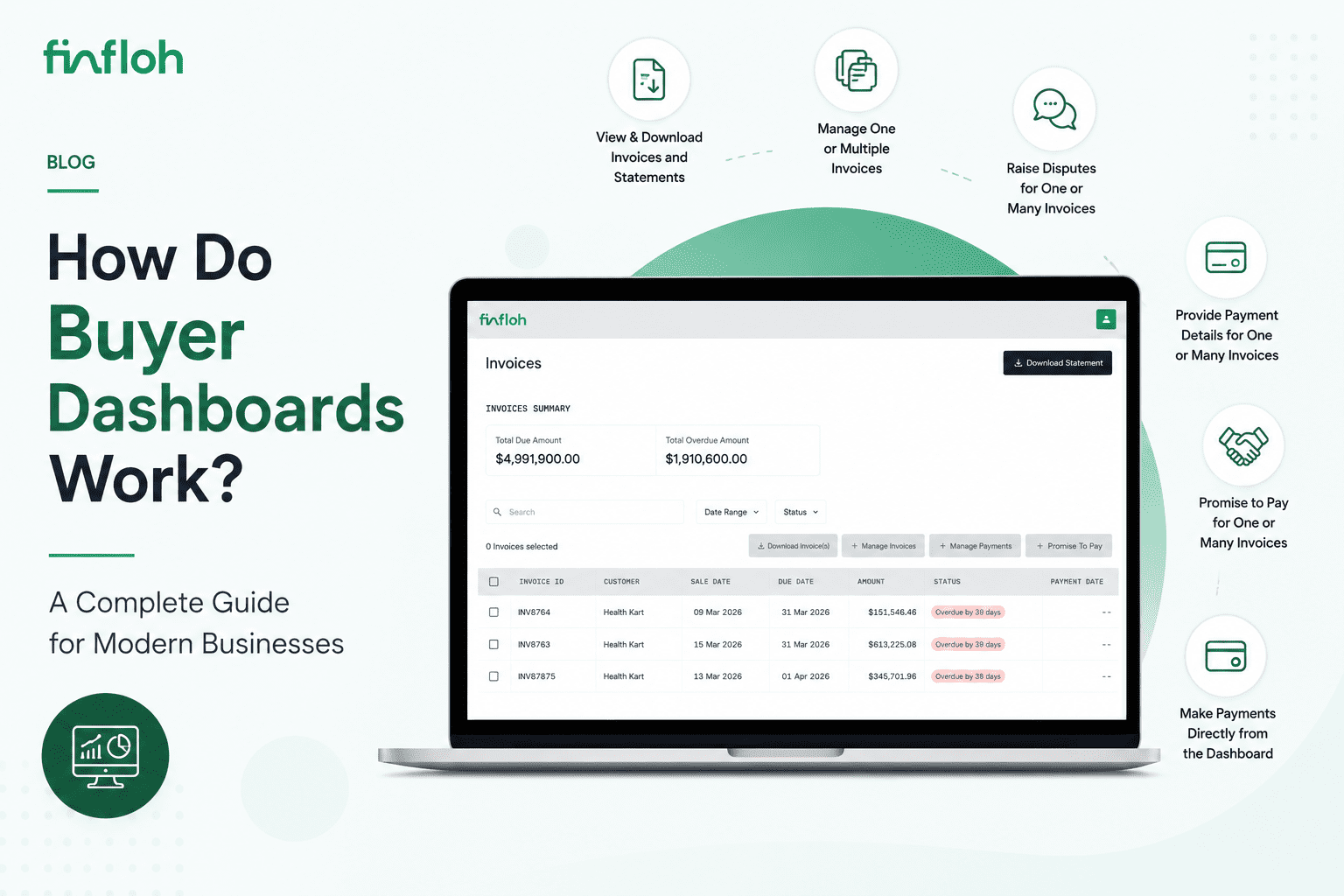
How Buyer Dashboards Work in Accounts Receivable
Businesses today expect faster communication, real-time visibility, and seamless payment experiences. Traditional accounts receivable (AR) processes often rely heavily on emails, spreadsheets, and manual follow-ups, creating delays for both finance teams and customers. This is where buyer dashboards are transforming the invoice-to-cash process by enabling customers to access invoices, disputes,…
-
B2B Payment Modes: A Complete Guide for Modern Businesses
Efficient payment processes are critical for every business. In B2B transactions, payment methods directly impact cash flow, customer relationships, operational efficiency, and working capital management. Unlike consumer payments, B2B payments often involve higher transaction values, credit terms, invoice-based billing, and multiple approval workflows. As businesses become more digital, organizations are…