Category: Treasury
-
The Hidden Cost of Not Knowing Your Cash Position Daily

For many finance teams, checking the daily cash position still means opening multiple bank portals, downloading spreadsheets, and waiting for updates from different departments. By the time the numbers are consolidated, the reality has already changed. And that delay comes with a cost. A business may look profitable on paper…
-
From Static to Real-Time Cash Visibility in B2B Finance
For years, finance teams relied on static spreadsheets, delayed reports, and fragmented systems to track cash positions. But in today’s fast-moving business environment, that approach no longer works. Modern CFOs and finance leaders need real-time cash visibility to make faster decisions, improve liquidity management, and reduce uncertainty. As businesses scale…
-
Why Cash Flow Forecasts Fail (& How to Fix Them)
Every business relies on cash flow forecasts to make critical decisions — hiring, expansion, vendor payments, budgeting, and investments. Yet for many finance teams, forecasting feels more like educated guessing than a reliable financial strategy. The problem is simple: most cash flow forecasts are built on outdated spreadsheets, incomplete receivables…
-
Treasury’s Blind Spot: Customer Credit Risk
Treasury teams are responsible for managing liquidity, forecasting cash flows, optimizing working capital, and protecting financial stability. Yet many treasury functions still overlook one of the biggest variables affecting cash predictability: customer credit risk. Most treasury models focus heavily on: But customer payment behavior, deteriorating credit quality, and receivables risk…
-
Promise-to-Pay Data: The Most Underutilized Treasury Signal
Treasury teams rely heavily on forecasts, liquidity models, historical payment trends, and banking data to predict cash flow. Yet one of the most valuable indicators of short-term cash movement is often overlooked entirely: Promise-to-Pay (PTP) data. Every day, customers communicate expected payment dates to collections teams through emails, calls, portals,…
-
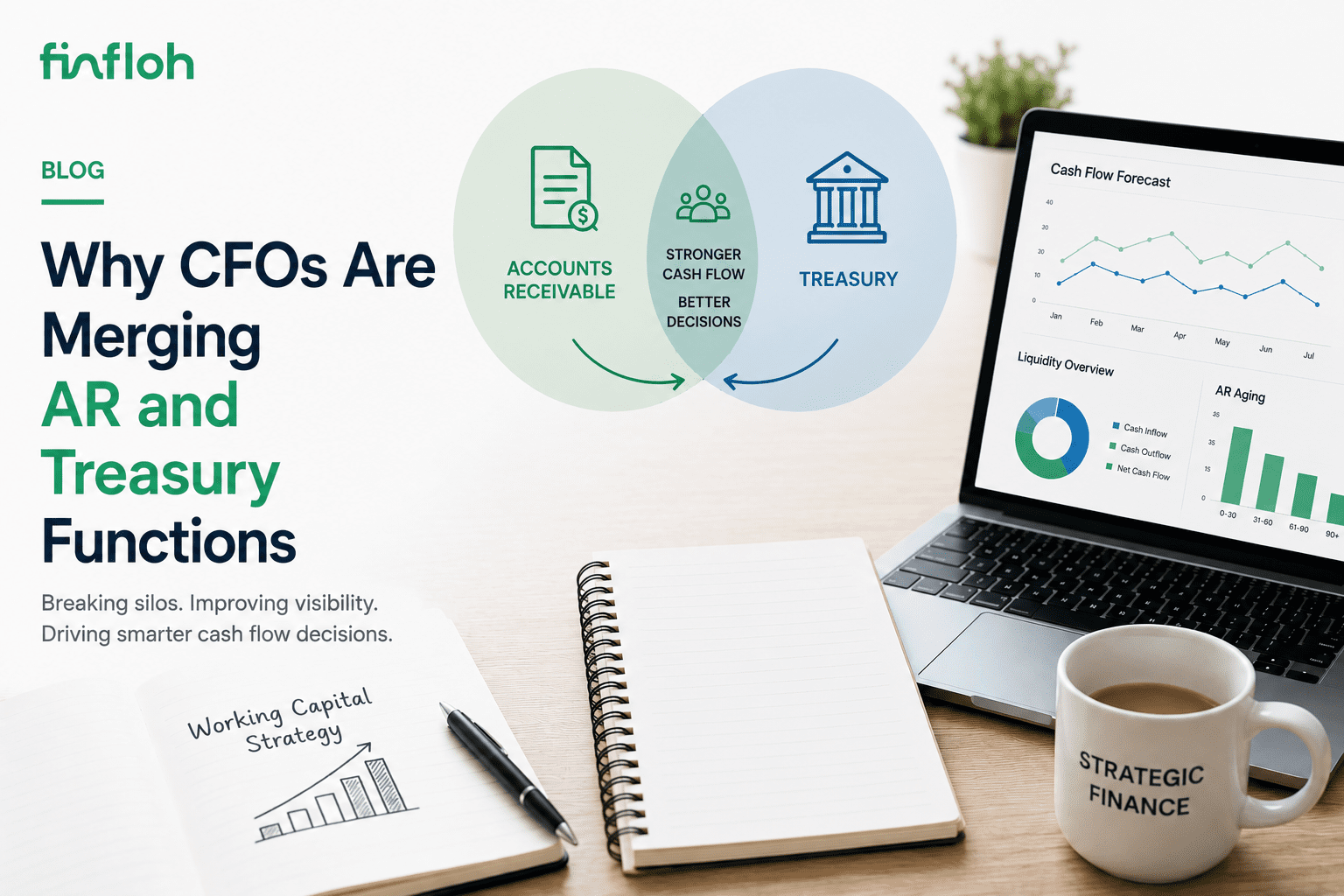
Why CFOs Are Merging AR and Treasury Functions
Finance organizations are undergoing a major structural shift. Traditionally, accounts receivable (AR) and treasury teams operated independently with different goals, systems, and workflows. AR focused on invoicing and collections, while treasury managed liquidity, banking, forecasting, and cash positioning. But as businesses face increasing pressure to improve cash flow visibility, optimize…
-
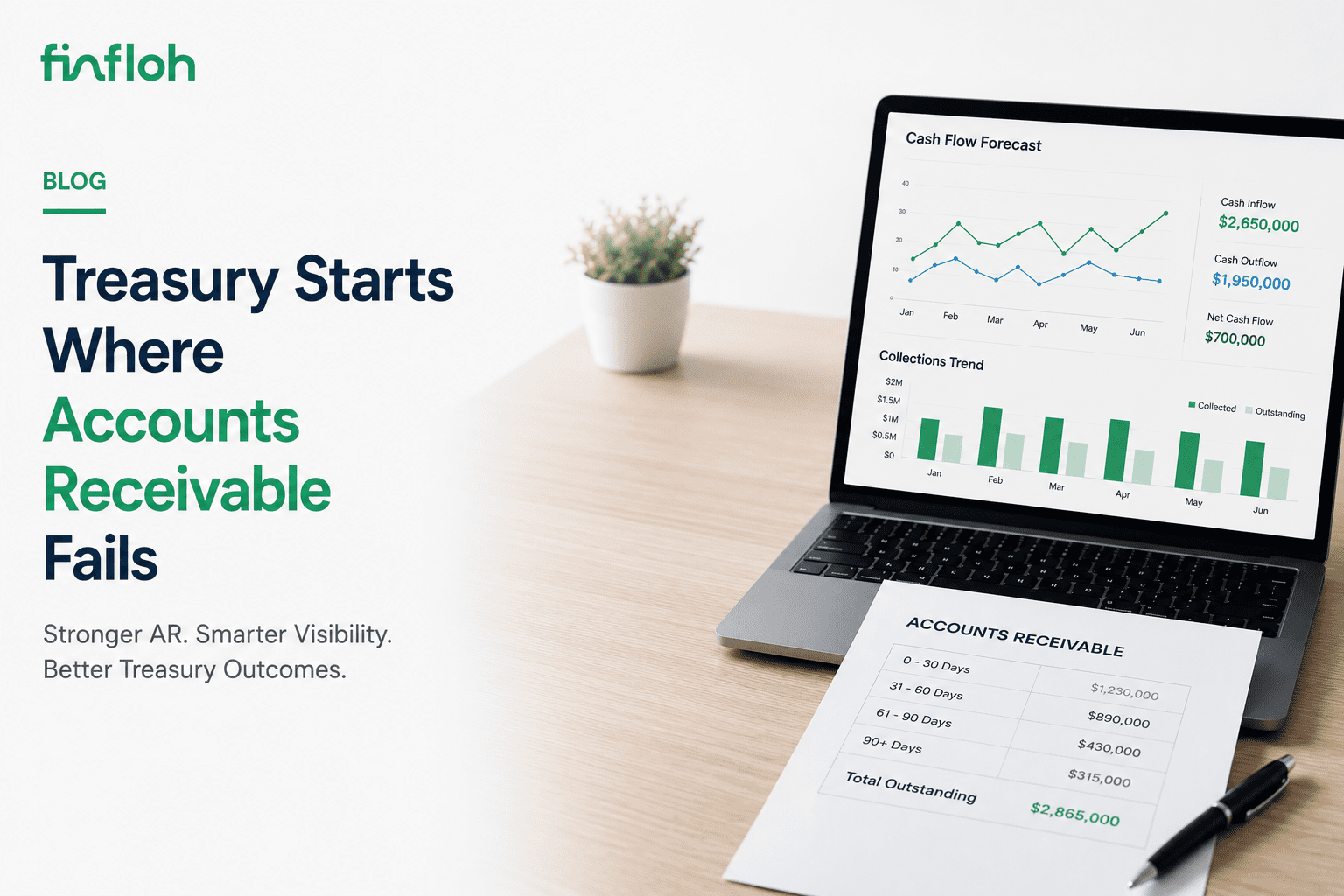
Treasury Starts Where Accounts Receivable Fails
For many organizations, treasury and accounts receivable (AR) operate as separate finance functions with different priorities. Treasury focuses on liquidity, cash positioning, funding, and financial risk management, while AR teams manage invoicing, collections, disputes, and cash application. But in reality, treasury outcomes are heavily shaped by the effectiveness of accounts…