Category: Accounting
-
Accounts Receivable Insurance: Protect Your Cash Flow

Accounts receivable insurance isn’t just a safety net—it’s becoming a necessity for businesses that rely on steady cash flow. When customers delay payments or default entirely, your revenue takes a direct hit. And here’s the thing: even profitable companies can struggle if receivables don’t convert into cash on time. That’s…
-
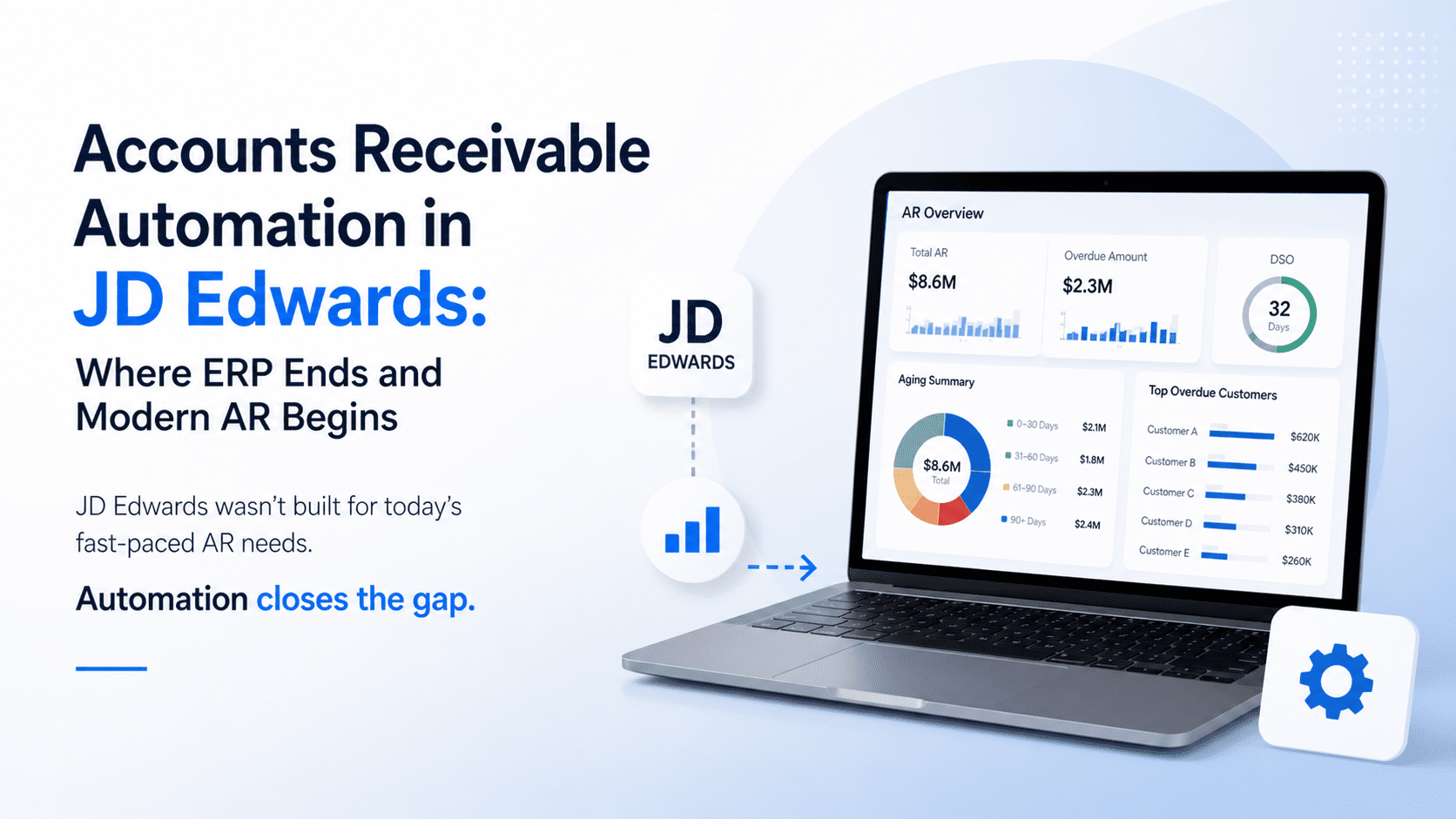
Accounts Receivable Automation in JD Edwards: Where ERP Ends and Modern AR Begins
JD Edwards (JDE) remains a widely used ERP for financial management, but when it comes to accounts receivable, most finance teams quickly run into its limits. While JDE is effective as a system of record, it was not built for dynamic, real-time, or automated receivables workflows. As transaction volumes grow…
-
Fractional CFO: Role, Cost & When to Hire (2026)
If you’ve been hearing the term Fractional CFO everywhere lately, you’re not alone. In 2026, the Fractional CFO model has become one of the fastest-growing ways for companies to access senior financial expertise—without committing to a full-time hire. Whether you’re a scaling startup, a mid-sized business, or a company navigating…
-
Intercompany Accounting: What It Is & How to Fix It
Intercompany accounting is one of those finance processes that looks simple—until you actually have to manage it across multiple entities. One team says the payment is done.Another says it’s still pending.And finance is stuck reconciling numbers that don’t quite match. If this sounds familiar, you’re already dealing with the real…
-
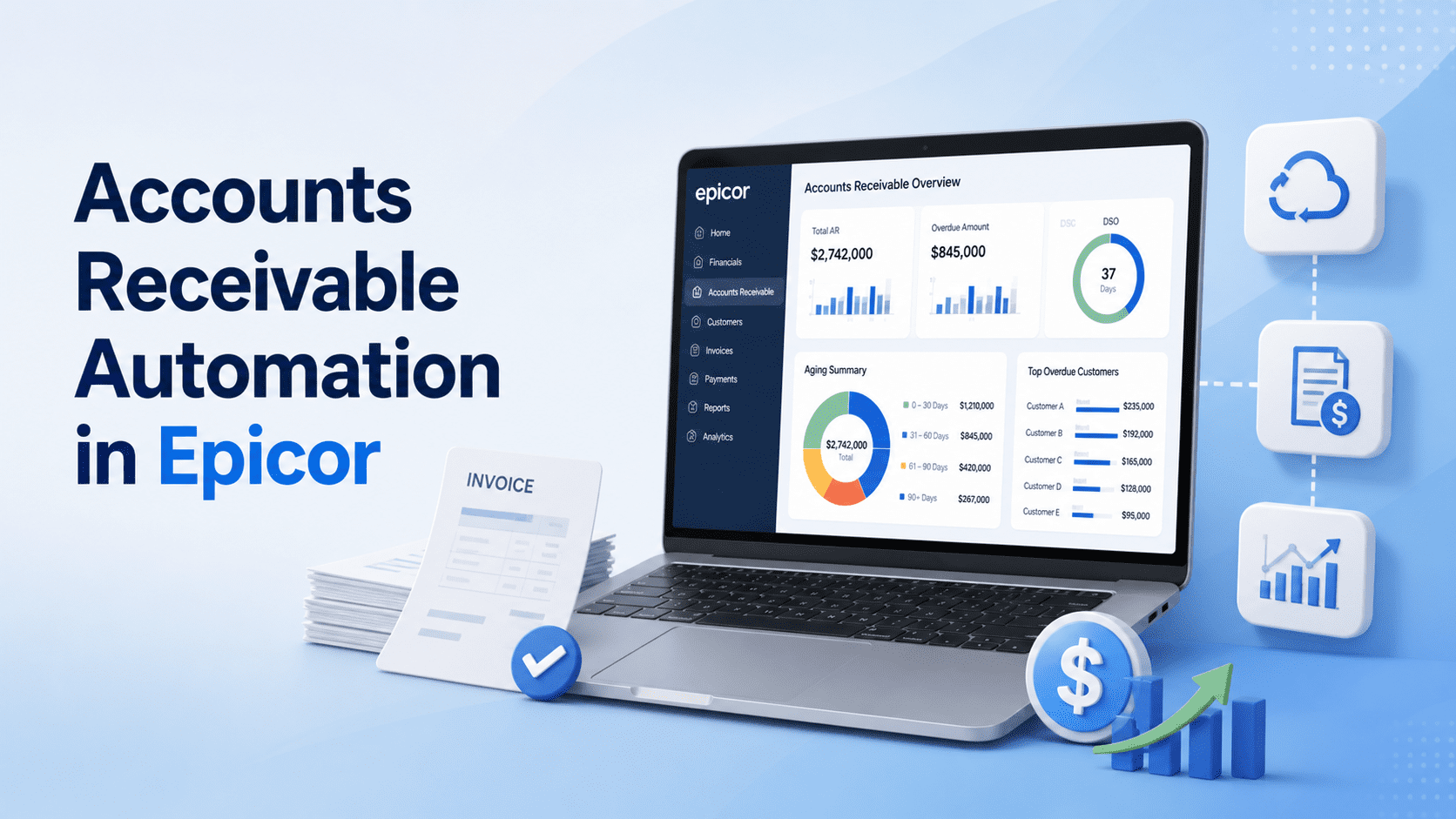
Accounts Receivable Automation in Epicor: Where ERP Limitations Meet Modern AR Needs
Epicor ERP provides a solid foundation for managing financial operations, including accounts receivable. It handles invoicing, customer records, and payment tracking effectively as a system of record. However, when it comes to executing day-to-day receivables workflows—collections, follow-ups, dispute resolution, and cash application—most finance teams still rely heavily on manual processes…
-
IND AS 115 Explained: Why Your Revenue Isn’t What You Think
IND AS 115 has changed the way businesses recognize revenue—but most teams don’t realize how deeply it impacts cash flow. “Revenue is growing. So why does cash still feel tight?” If you’ve ever had this thought sitting in a finance review, you’re not alone. This gap between reported revenue and…
-
What Are Deductions? A Complete Guide for Finance & AR Teams
In Accounts Receivable, deductions are one of the biggest hidden drains on cash flow. They delay collections, distort customer balances, and consume disproportionate team bandwidth. If you’re in finance, credit, or controllership, understanding deductions deeply is critical to reducing DSO and improving cash predictability. Table of Contents What Are Deductions?…
-
B2B Taxes in Europe: A Simple Guide for Businesses
Doing business across European borders opens exciting opportunities — but it also brings tax complexities that can make even the most experienced finance professionals pause. Understanding B2B taxes in Europe is essential for staying compliant, managing cross-border invoices, and ensuring financial accuracy. Between varying Value Added Tax (VAT) rules, frequent…
-
B2B Taxes in the United States: A Practical Guide
Running a business in today’s fast-paced world isn’t just about generating revenue — it’s also about ensuring compliance. For companies operating in the U.S., understanding B2B taxes in the United States is essential for maintaining smooth operations, avoiding penalties, and optimizing cash flow. Tax laws across federal, state, and local…
-
Accounts Receivable Automation in QuickBooks
For many growing B2B companies, QuickBooks is the starting point for finance operations. It’s simple. It’s familiar. It works well for accounting Let’s break it down. Table of Contents What Accounts Receivable Automation Actually Means Before diving into QuickBooks, it’s important to define AR automation properly. True AR automation typically…