Category: Invoice to Cash
-
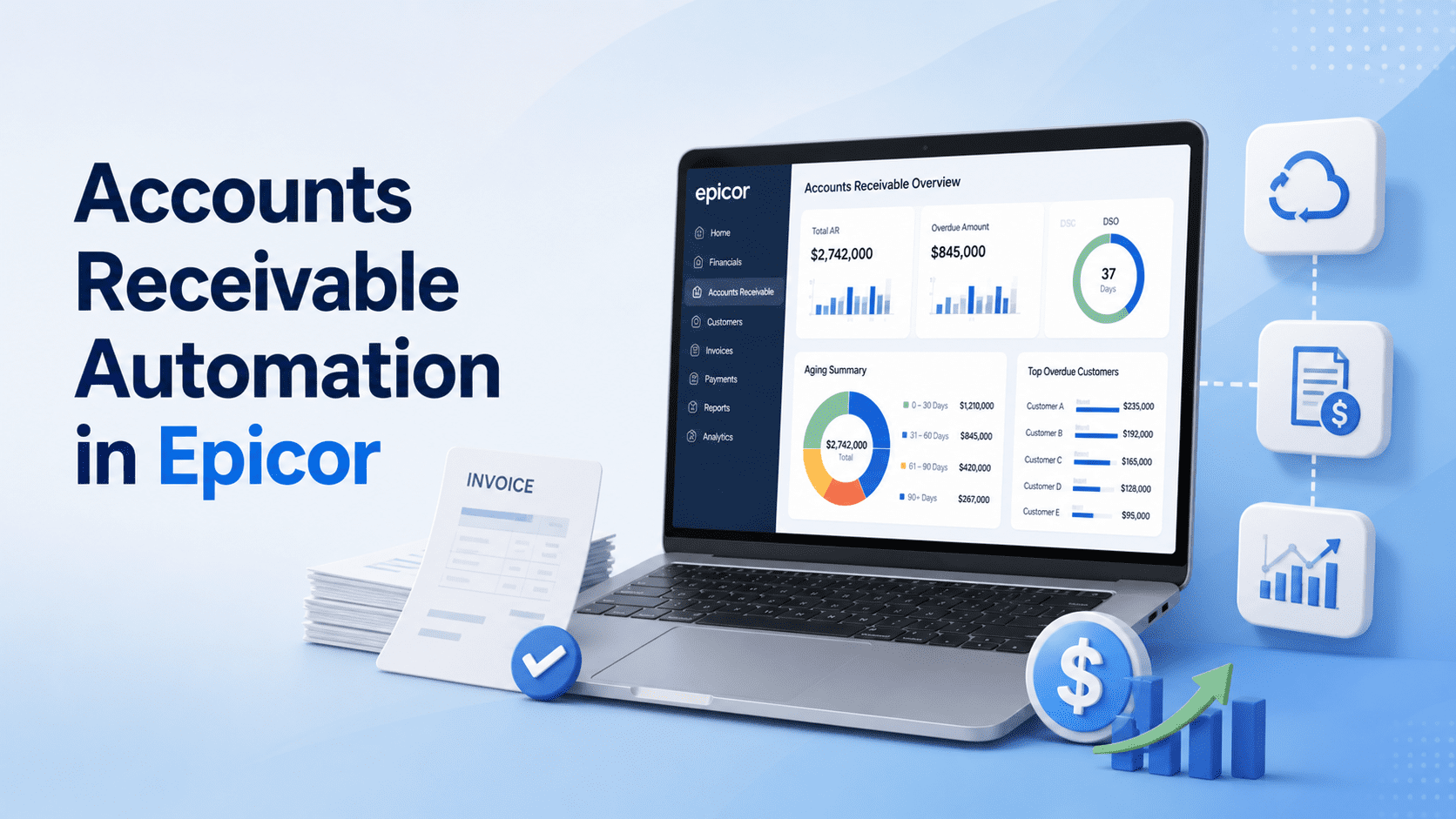
Accounts Receivable Automation in Epicor: Where ERP Limitations Meet Modern AR Needs

Epicor ERP provides a solid foundation for managing financial operations, including accounts receivable. It handles invoicing, customer records, and payment tracking effectively as a system of record. However, when it comes to executing day-to-day receivables workflows—collections, follow-ups, dispute resolution, and cash application—most finance teams still rely heavily on manual processes…
-
AI in Invoice Automation
Invoice automation used to mean generating invoices from an ERP and emailing PDFs in bulk. Today, that’s not enough. As transaction volumes grow and customer expectations rise, finance teams need intelligence — not just automation. This is where AI in invoice automation changes the landscape. AI doesn’t just generate invoices…
-
What Are Deductions? A Complete Guide for Finance & AR Teams
In Accounts Receivable, deductions are one of the biggest hidden drains on cash flow. They delay collections, distort customer balances, and consume disproportionate team bandwidth. If you’re in finance, credit, or controllership, understanding deductions deeply is critical to reducing DSO and improving cash predictability. Table of Contents What Are Deductions?…
-
Accounts Receivable Automation in QuickBooks
For many growing B2B companies, QuickBooks is the starting point for finance operations. It’s simple. It’s familiar. It works well for accounting Let’s break it down. Table of Contents What Accounts Receivable Automation Actually Means Before diving into QuickBooks, it’s important to define AR automation properly. True AR automation typically…
-
Automating Accounts Receivable in Oracle Cloud
Oracle Cloud ERP provides powerful capabilities for managing financial operations at scale. From general ledger to payables and receivables, it offers a strong foundation for enterprise-grade accounting. However, even with a robust ERP like Oracle Cloud, many Accounts Receivable (AR) processes remain partially manual. As transaction volumes increase and customer…
-
Automating Accounts Receivable in Tally
For many growing businesses, Tally remains the backbone of accounting operations. It manages ledgers, invoices, vouchers, and financial statements efficiently. However, when it comes to Accounts Receivable (AR), most teams still rely heavily on manual processes layered on top of Tally. As receivables volumes grow, manual follow-ups, reconciliations, and credit…
-
Accounts Receivable Best Practices: 7 Proven Ways to Get Paid Faster
Managing accounts receivable effectively is essential for every growing business — it’s what keeps the cash flowing and relationships strong. Implementing the right accounts receivable best practices can help your finance team not only collect payments faster but also maintain smoother client interactions and healthier cash flow. In today’s competitive…
-
Automated Credit Debit Offset: Simplify AR and Reduce DSO Faster
Every finance team has faced it — a pile of invoices waiting to be reconciled, customers issuing multiple credit notes, and the month-end rush to close books accurately. Managing this manually slows down collections and affects your cash flow. That’s where automated credit debit offset comes in — helping finance…
-
TDS Impact on Accounts Receivable Explained
Managing receivables is the heartbeat of every finance operation, but few teams fully grasp the TDS impact on accounts receivable. Even a small TDS deduction can create ripple effects across your invoicing, reconciliation, and cash flow processes. While it’s an essential tax compliance mechanism, TDS often complicates the way businesses…
-
What Does an Account Mean in Business Finance? A Simple Guide
Managing finances can feel overwhelming, especially when you’re surrounded by terms like ledgers, charts, and transaction codes. But at the heart of every finance system lies a simple concept — an Account. In this guide, we’ll break down what an account truly means in business finance, why it matters, and…